
Ideas that Shape Better Products
From sustainable ingredients to smarter R&D, discover insights that help you design, launch, and scale with confidence.

Sustainable ingredients that keep taste and shelf life intact
Clean labels and lower impact sourcing are now core to product strategy. The challenge is swapping ingredients without losing flavour, texture, or stability.
Read more
Sustainable sourcing has moved from nice to have to the way many brands plan their next launch. Consumers scan labels for simple ingredient lists and credible supply chains. The difficulty appears when a familiar functional ingredient is replaced and the product loses character. Success starts with a clear sensory target and a map of functional roles across thickening, binding, Maillard effects, and water activity. Pilot runs expose interactions with pH, salt, and heat steps. When a shelf life model is included early, time compresses and waste falls.
Winners combine supplier transparency with tight lab discipline. They reformulate ranges step by step rather than chasing one hero product. With this approach sustainability does not trade off with quality. It becomes a signal of quality.

From lab to market faster with focused R&D partnerships
Speed to shelf comes from aligned goals, clear success measures, and trials that answer one question at a time.
Read more
The market rewards teams that test, refine, and pilot without losing weeks to handoffs. Effective partnerships align the problem, the hypothesis, and validation steps before any ingredient hits the bench. Agree success criteria and a batch schedule that respects allergens, claims, and regional compliance. Use a gated path that checks sensory targets, process fit, and cost per unit. When a gap appears branch to a short trial. Documentation is treated as an asset so handover to operations is simple and audit ready.
The result is not only faster development. It is confidence that launches will land on spec in multiple markets.

Turn shelf life into an advantage rather than a constraint
A few extra weeks of stability can open new markets and reduce waste. Design shelf life with the same intent used for flavour and texture.
Read more
Begin with the spoilage risks that matter most. Water activity, oxygen, light, and temperature need control points in process and pack. Small interventions add up. Tighter control on fill temperature, a minor packaging change, or a different antioxidant system can unlock measurable extension. Do not wait for real time. Use accelerated studies to predict outcomes and select mitigation steps. Align targets with logistics and retail realities so waste falls and trust rises.

Protein innovation that moves beyond a single source
Fermentation, algae, and novel plants expand the toolkit. Match protein to job, process, and claim language for better outcomes.
Read more
Each source brings a profile for solubility, flavour, colour, and functionality. A bar that needs binding and chew is not the same as a ready to drink shake that needs clarity. Heat steps, pH, and minerals change behaviour and need mapping during trials. A blended approach can balance amino acids and improve texture while smoothing taste. Fermentation derived options can lift functionality in low pH systems. Algae can support colour and micronutrients. The goal is satisfaction rather than grams alone.
Navigating global regulations without slowing development
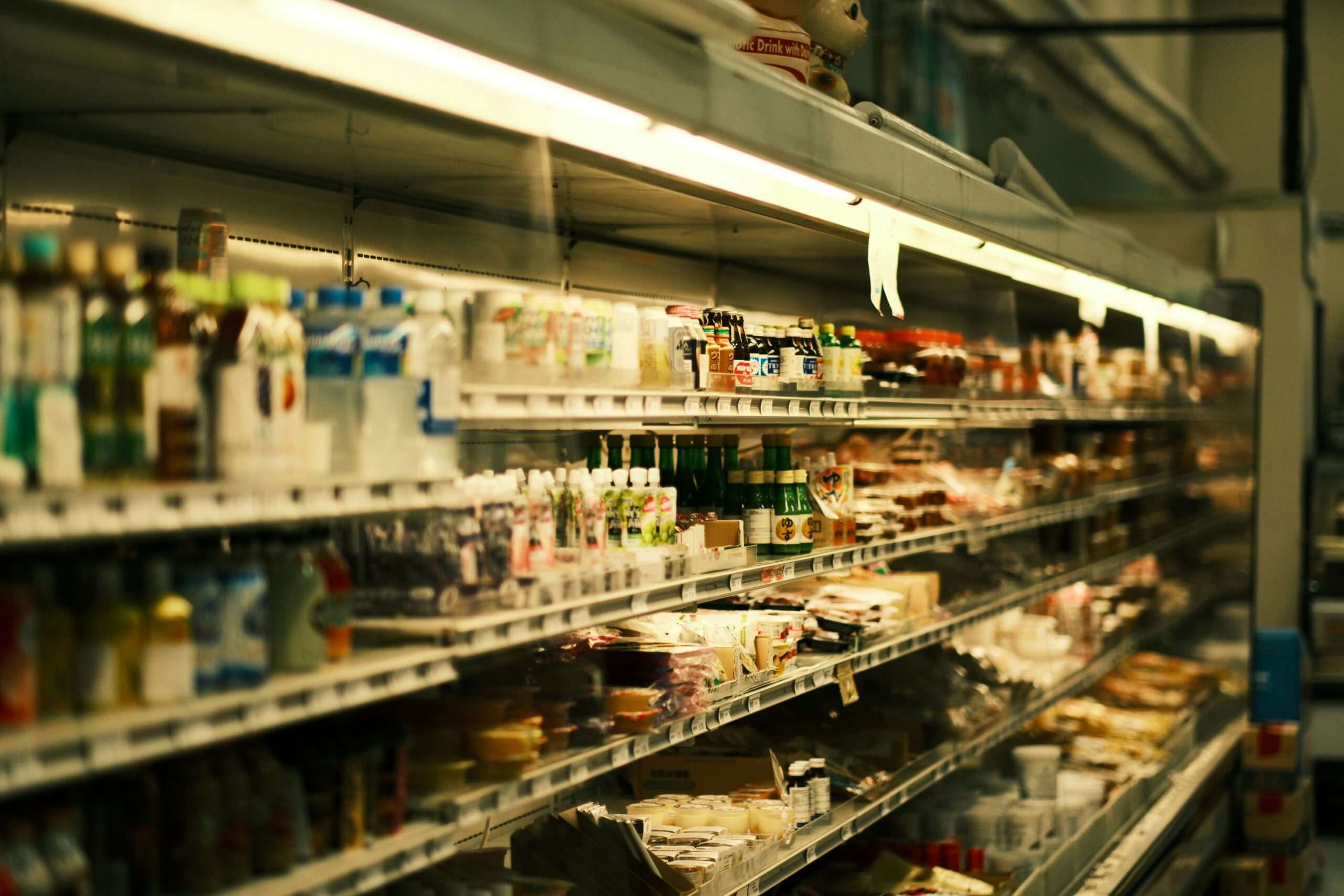
Bring regulatory review into early design. It saves rework and prevents label surprises when you scale across borders.
Read more
Create a matrix of target markets and the rules that touch the formula. Map allergens, additives, fortification, and novel status. Confirm packaging and label needs such as nutrition panels and country of origin. Where a gap appears decide whether to adjust the formula or the market plan. Keep documents current through each trial to move approvals faster. This integrated approach protects time to market and trust with retailers and regulators.
Consumer centric design that converts trials into repeat buys
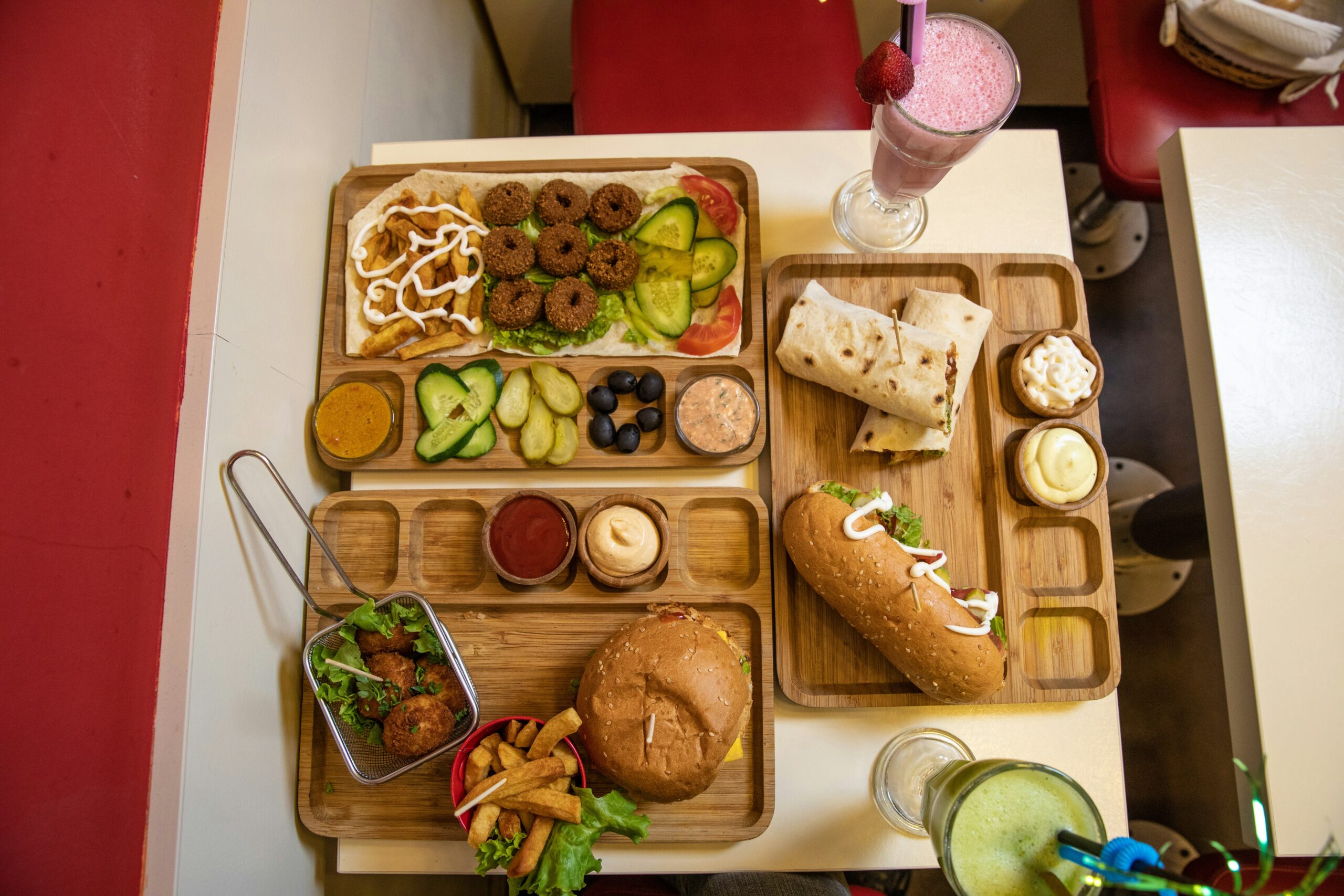
Translate voice of customer into measurable targets for sweetness, crunch, or dissolve time. Test in realistic use cases.
Read more
People buy on taste, texture, and convenience and return for reliability. Define a core experience and protect it. Build variants from that core. Pricing and pack sizes shape the experience and can open new channels without a full redesign. When consumer signals link directly to formulation choices, decisions are faster and the story is clearer. The outcome is not a feature list. It is a product people reach for again.

Technology in R&D that saves time and reduces risk
Clean data and repeatable methods matter more than buzzwords. Simple tools can cut weeks from development.
Read more
Standard templates for trials and a clear naming system for batches prevent dead ends. Add photos or clips for steps where texture shifts fast. Track stability checkpoints and sensory scores in a lightweight dashboard. Over time this builds a living memory for the team and supports training and handover. The result is fewer repeats, tighter decision cycles, and more predictable launches.

Collaboration across borders that multiplies ideas and reach
Blend supplier knowledge, consumer insight, and manufacturing reality. Plan collaboration so it speeds work rather than slows it.
Read more
Start with a shared brief that lists objectives, constraints, and success measures. Keep decisions visible with regular reviews and concise change records. Where possible run pilots in more than one location to see how processes behave on different equipment. When collaboration is designed rather than assumed, the project moves with less friction and more creativity and products feel native in more than one market.